
提示词
Use the person/character in the attached image as the protagonist and create a brand-new image. Preserve the character's facial features, hairstyle, apparent age, body type, and original visual style as closely as possible. (If the source is a photograph, maintain photorealism. If it is an illustration, preserve the original art style.) Design the background, composition, pose, and clothing naturally to match the following theme. Theme On the way home from school or work. The day is coming to an end, and the station is gradually becoming quieter as fewer people remain. The protagonist is either waiting for a train on the platform or has just stepped off one. They are not looking at the camera. Instead, their gaze naturally falls toward the railway tracks stretching into the distance, the evening sky, or their feet. Their expression is calm and reflective rather than smiling—as if quietly looking back on the day. Setting A small rural train station. A summer evening at 5:42 PM. Golden sunlight enters from a low angle. Long shadows stretch across the platform. A slightly faded bench. A peaceful, almost silent atmosphere. A residential neighborhood and trees can be seen in the distance. Large summer cumulonimbus clouds rise in the sky. A gentle breeze moves through the station. Clothing Natural summer casual wear. Use subdued colors such as white, ivory, beige, and navy. Hair and clothing move gently in the breeze. Cinematic Photography Style The image should feel like a still frame taken from a feature film. Photorealistic. Shot on 35mm film. Color rendering based primarily on Kodak Portra 400, with the cinematic tonal gradation of Kodak Vision3. Strong warm side lighting from the setting sun. Very strong contrast between light and shadow. Deep, rich blacks. Soft, blooming highlights. A beautiful rim light outlines only the protagonist against the backlight. Natural film grain. Subtle halation. Subtle light leaks. A large but natural lens flare. Strong background bokeh. Foreground elements—such as people, pillars, or plants—should create natural foreground blur and depth. Several commuters and students are present in the background. Only the protagonist is perfectly in focus. The protagonist remains completely still. Only the surrounding pedestrians show gentle motion blur, creating the feeling that everyday life continues moving while the protagonist remains suspended in a quiet moment. The motion blur should resemble a slightly slower shutter speed on a real camera. Shot as if with an 85mm f/1.4 lens, producing very shallow depth of field. The protagonist is positioned according to the rule of thirds. Use cinematic framing with generous negative space. Overall, the photograph should feature high contrast, deep shadows, and dimensional lighting. Avoid HDR-like processing. Avoid any AI-generated appearance. Avoid CGI-like rendering. Avoid an overprocessed look. Prioritize the realism of a genuine candid photograph captured by a skilled photographer. Do Not Do not apply motion blur to the protagonist. Do not blur the face or eyes. Do not use soft focus across the entire image. Do not make everyone appear frozen. Do not blur everyone. Do not overuse light leaks. Do not overuse lens flare. Do not create unnatural AI-like skin or textures. Above all, the image should resemble a photograph taken with a real DSLR or mirrorless camera. Mood Not a clean or modern station. Instead, it should feel like: "The station you passed through every day during your school years, yet somehow can no longer remember its name." You can almost hear the cicadas. The quiet stillness before the train arrives. A place that feels strangely familiar to everyone. This should not be a photo that explains a scene—it should feel like a forgotten cinematic memory rediscovered. Aspect Ratio: 1:1 (Square)
中文版
相关推荐
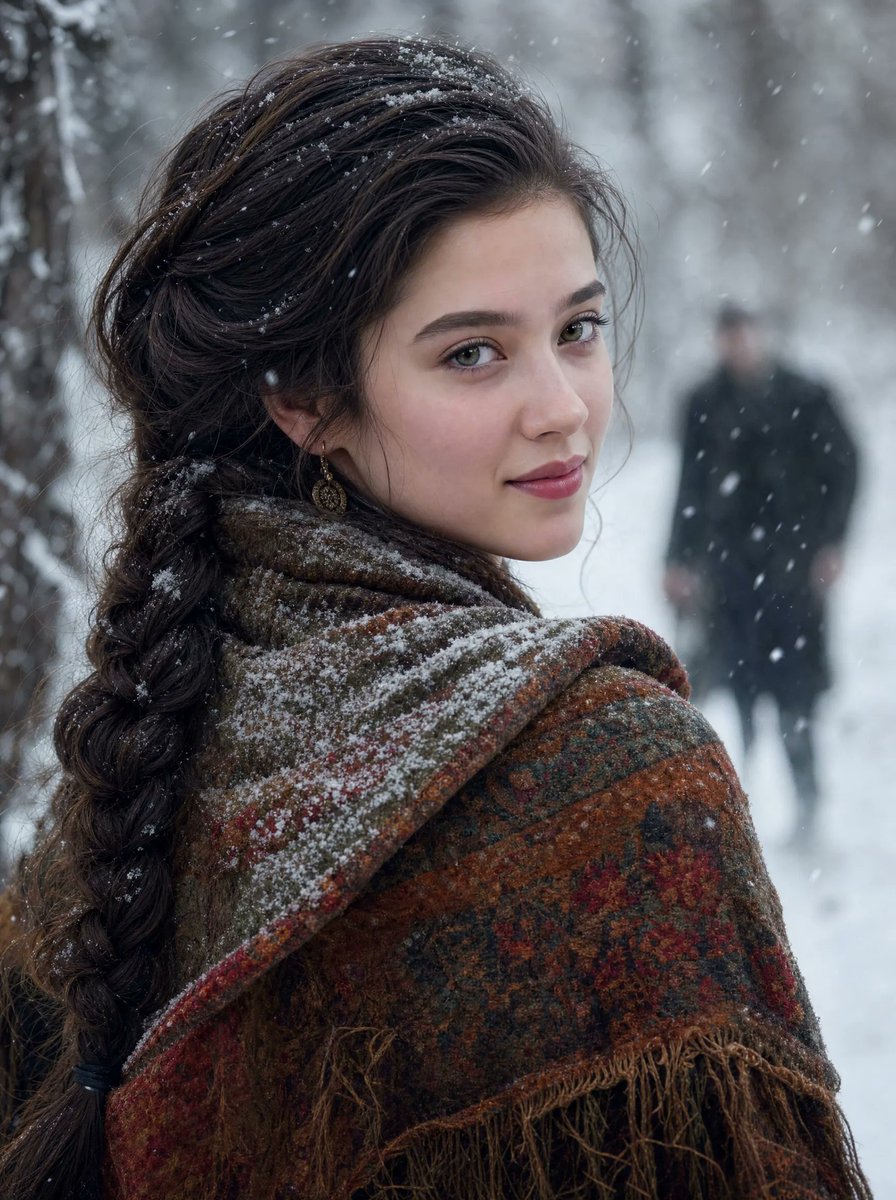
Ultra-realistic cinematic winter portrait of a young woman in a snowy forest, me

Create a professional ultra-realistic high-definition romantic beach portrait of

A serene woman in her early 30s with fair skin and light brown hair pulled back

A beautiful woman in her early 30s with striking dark brown eyes, perfect symmet